

January Launch
The What’s Next Club Launch Date
The website is coming along nicely and I’m working on a list of ideas for videos, courses and books. I should launch on the 1st January 2027, all being well (hopefully sooner!).
The website is coming along nicely and I’m working on a list of ideas for videos, courses and books. I should launch on the 1st January 2027, all being well (hopefully sooner!).
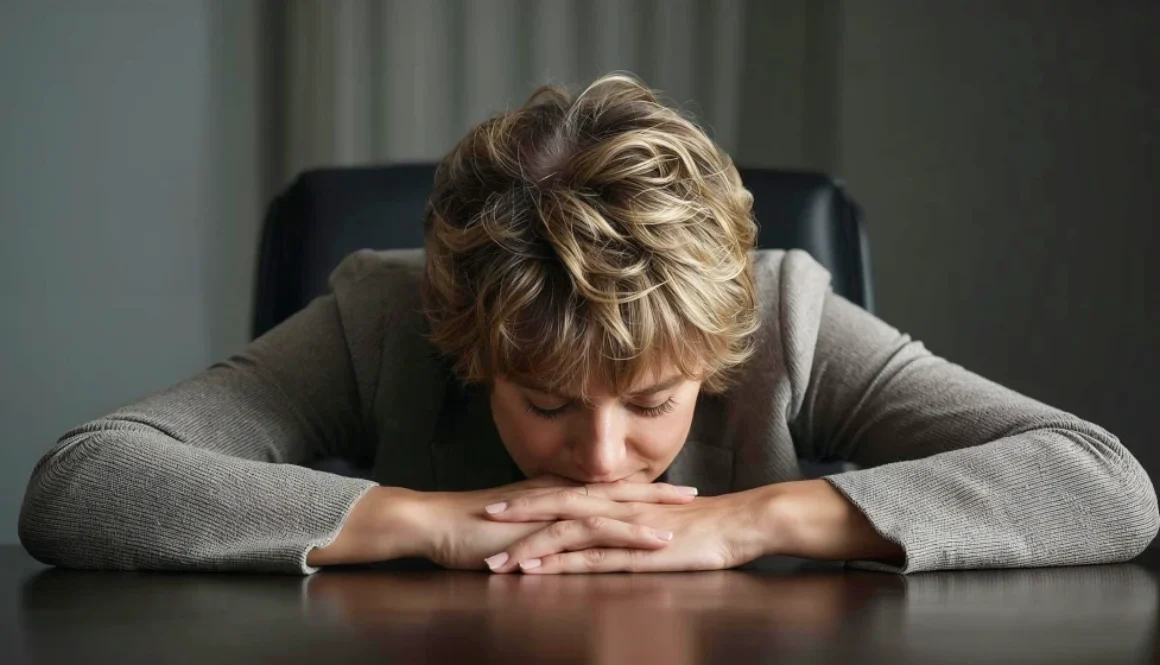
Many people today are finding themselves moving through life feeling unlike themselves. They’re still managing everyday responsibilities, showing up for work, maintaining relationships and completing daily tasks but something feels … off.
They may feel emotionally distant, constantly tired, disconnected from others or unable to find motivation. There may also be a lingering sense of anxiety that never fully disappears, even when there is no obvious reason for it.
These experiences do not always look like traditional anxiety or depression. For some people, they may be signs of something known as functional freeze.
When we experience danger, stress or trauma, our nervous system responds automatically to protect us. These survival responses are often described as fight, flight, freeze or fawn.
The freeze response occurs when the brain decides that the best way to cope with a threat is to shut down or become still. This reaction is not a conscious choice, it’s the body’s built-in survival system taking over.
During a freeze state, someone may feel unable to speak, move or respond. They might experience physical sensations such as feeling heavy, numb, cold or disconnected from their surroundings. It is similar to an animal instinctively becoming still when faced with danger.
For some people, this response develops after experiencing situations where they felt trapped, stressed or powerless. Over time, this can become linked with dissociation – a feeling of mentally disconnecting from emotions, memories or surroundings as a way of protecting themselves.
Usually, once a threat has passed, the nervous system can return to a calmer state. However, when someone remains under prolonged stress, fear or emotional pressure, the body can become stuck in survival mode. This is where functional freeze can occur.
Functional freeze is different from being completely unable to function. Instead, a person may appear to be coping from the outside while internally feeling stuck.
They may continue going to work, looking after responsibilities, preparing meals or spending time with others, but inside they feel exhausted, disconnected and overwhelmed.
Many people describe this experience as feeling tired but wired – physically drained while their mind remains on high alert.
Persistent background anxiety
You may feel a constant sense of unease, worry or dread without being able to identify exactly what is causing it. Even during calm moments, your body may feel as though it is waiting for something to go wrong.
Wanting to withdraw from others
Social interaction may start to feel overwhelming. You might avoid messages, ignore calls, cancel plans or feel a strong need to spend more time alone.
Struggling with self-care
Simple tasks that normally support your wellbeing can begin to feel difficult. Things like cooking, exercising, tidying up or maintaining routines may require far more effort than usual.
Difficulty getting started on tasks
You may have a long list of things you want or need to do but feel unable to begin. This can lead to procrastination, avoidance or spending hours feeling stuck.
Feeling physically exhausted
Even when you experience restless energy or racing thoughts, your body may feel drained. Exercise or movement can seem impossible and you may find yourself wanting to stay still or rest most of the time.
Feeling emotionally disconnected
Functional freeze can involve a sense of numbness or detachment. You may feel disconnected from your emotions, other people or activities that once brought you happiness and excitement.
Although someone experiencing functional freeze may still manage everyday responsibilities, the impact can be significant. Work performance, relationships, physical health and emotional wellbeing can all be affected. The hardest part is often feeling like you want to move forward but cannot understand what is keeping you stuck.
The aim is to help the nervous system move away from a state of constant threat and towards a state of safety and relaxation. Different approaches work for different people but the following practices may help.
Spend time in nature
Being outdoors can help reconnect you with your surroundings. Walking, gardening, spending time near water or simply noticing the sights and sounds around you can help bring your attention back to the present moment.
Try gentle movement
Movement does not need to be intense to be helpful. Activities such as stretching or gentle walks can encourage a stronger connection between your mind and body.
Use calming breathing techniques
Your breathing patterns can influence how your nervous system responds. A simple exercise is breathing in for four counts, holding for four counts and slowly breathing out for eight counts.
Practise mindfulness
Mindfulness encourages you to reconnect with the present rather than staying trapped in fear or overwhelm. You might try meditation, guided relaxation or simply noticing what you can see, hear, feel and smell around you.
Use your voice
Singing can be a powerful way to regulate emotions and reconnect with yourself. Listening to a favourite song and singing along can help shift your mood.
Modern life can place a great deal of pressure on our minds and bodies and prolonged stress can leave people feeling trapped in survival mode. Past experiences, including trauma, may also contribute to these patterns.
If functional freeze feels familiar, working with a trauma-informed therapist may help you understand your responses, process difficult experiences and develop strategies that support your wellbeing.
Feeling stuck is often your nervous system trying to protect you. Learning how to create a sense of safety again can be an important step towards feeling more connected, present and in control of your life.
Today is the first day of my ‘100 Days Back To Me’ challenge. It’s enough time to make a dent in my 150lbs weight loss goal but not so long that it feels impossible. I just need to commit, be consistent, keep my focus and do what I need to do each day.
As expected, I’ve spent a lot of today thinking about what I’ll look and feel like in one hundred days’ time. What I didn’t expect was to spend so much of today thinking about how I can’t put my washing away.
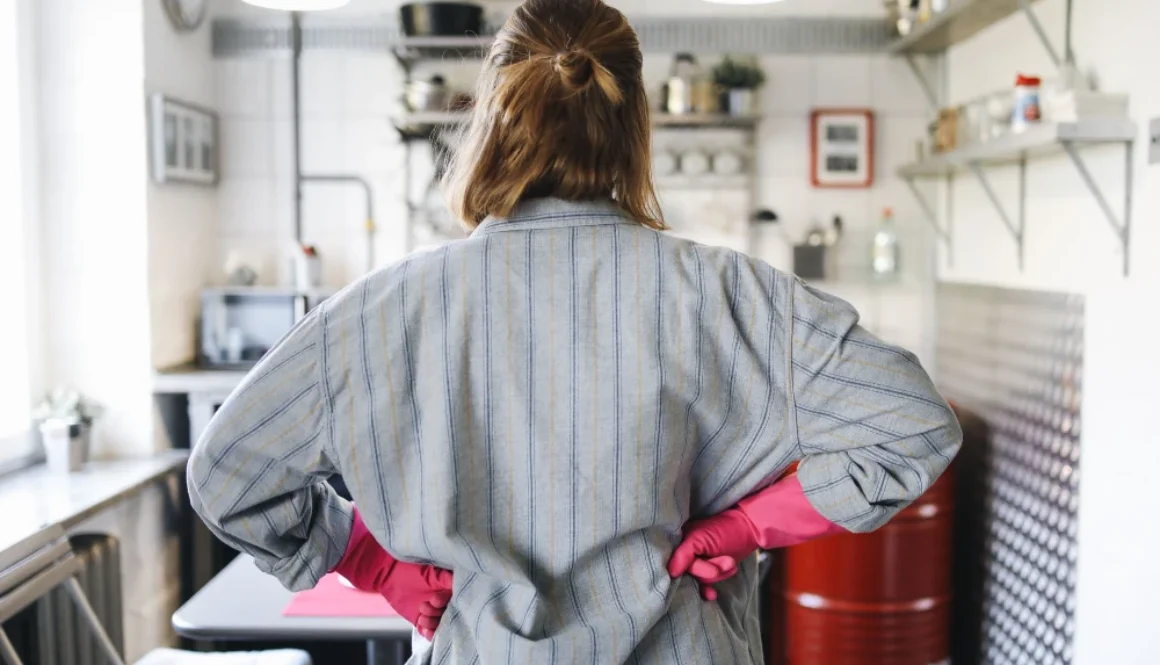
The washing is in a pile on the bed. It would take less than ten minutes to put it away. Yet I’ve sat here staring at it for hours, unable to fathom how to tackle it. It’s as if my brain is damaged and I cannot function, no matter how hard I try.
If you’ve never experienced the freeze response, it’s very easy to assume this is just laziness, disorganisation or procrastination. I used to think exactly the same thing – I genuinely believed I was one of those adults who’ll never quite get the hang of life. Everyone else is capable and grown up, yet I feel like a toddler who’s flummoxed by even the simplest of tasks.
Today I’ve been particularly frozen, so I’ve done a bit of research into why I’m sometimes so incapable of getting stuff done. I now understand that trauma changes the way your brain works – not in the sense that you’ve got literal brain damage but in the sense that your brain has adapted to survive.
When you’ve spent years living in situations where you never quite felt safe (whether emotionally or physically) you’ve existed in what’s called the fight-or-flight response. Your nervous system doesn’t suddenly decide everything’s fine just because the danger has gone away.; it carries on behaving as though it needs to conserve energy, watch for threats and prepare for the next crisis.
That might have been useful once. It’s considerably less useful when the biggest challenge you’re facing is putting your knickers away.
People often talk about the fight-or-flight response but the freeze response doesn’t get nearly as much attention, probably because it looks so ordinary from the outside. Someone who’s frozen doesn’t necessarily look distressed, traumatised or anxious. They just look like they’re just wasting time. They’re sitting on the sofa staring into space, wandering aimlessly around the house, or reorganising the spice cupboard instead of tackling the one job they actually need – and want – to do. It looks like they’re choosing to do nothing, so therefore they must be lazy.
Inside, though, it doesn’t feel like choosing to do nothing – it feels beyond frustrating not to have the choice at all! It feels like there’s a complete disconnect between wanting to do something and being able to get it done.
You’re fully aware that the washing needs putting away. You’re aware that it won’t take long. You know that if you were to just spend a few minutes getting on with it, it would be done and you’d feel so much better afterwards. None of that seems to matter, though, because your brain simply refuses to engage.
It’s difficult to explain without sounding ridiculous. How do you tell someone you spent six hours thinking about putting a pile of washing away, or the entire morning clearing your kitchen counter bit by bit? How do you explain that your biggest achievement for the day was clipping one of your dog’s toenails or thinking about washing up? On paper it sounds absurd but when you’re living it it’s exhausting and demoralising.
The more I learn about trauma, the more I recognise myself in what researchers have found. Chronic stress can affect the parts of the brain involved in planning, attention and decision-making. It can leave your nervous system primed for survival rather than everyday living. It’s nothing to do with not trying hard enough and everything to do with your brain trying to protect you. It turns out that it’s not a setting you can switch off just because you’d quite like to get on with something today.
As I start the journey (yet again) to lose weight, I’m hoping that understanding this might make all the this time. If I can show up consistently for the next 100 days, even if some days are messy and imperfect, I’ll have overcome one of the most difficult parts of my overall recovery: the freeze response.
I grew up believing – and am still treated by family as if – my worth is directly tied to how I look. Losing weight feels like a test of whether or not I’m good enough. That’s a huge amount of pressure to put on myself and it’s enough to trigger this freeze response, because my brain isn’t seeing a diet, or a journey to health and wellness … it’s seeing the possibility of failure, judgement and shame all over again.
So today has been Day 1. It hasn’t been spectacular. I haven’t done anything much other than put a pile of washing away and tidy my kitchen counter. And tell myself off for being so utterly useless and lazy.
But it turns out I wasn’t being lazy at all; I was going through an ongoing response to trauma that I now understand enough to be motivated to come back fighting on Day 2.
By Fiona
I turned 61 this year and, according to my daughter, I have the skincare routine of a Victorian woman.
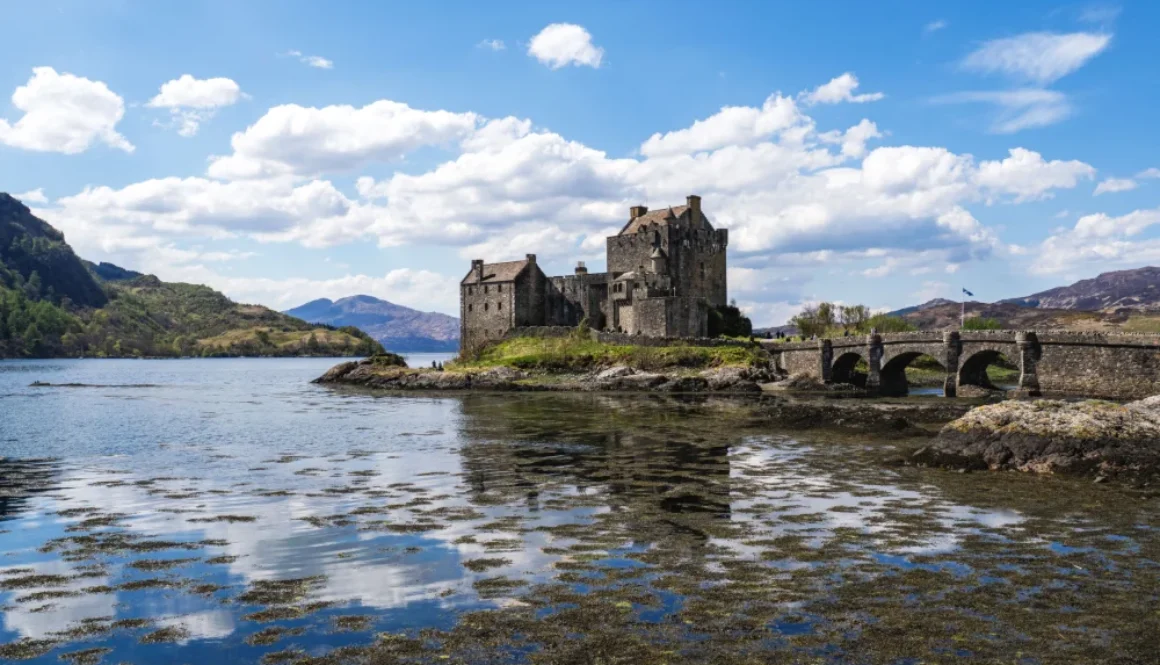
While everyone else seems to be spending fortunes on serums, creams, facelifts and treatments, I spend most of my time standing in the rain or climbing into freezing cold Scottish lochs.
I live in a small village in Scotland where the weather is rarely what you’d call ‘nice’. We get plenty of wind, plenty of rain and water so cold it can take your breath away. Most people spend their lives trying to avoid it. I’ve spent the last ten years embracing it, alongside my beloved husband, who is slightly less keen.
It started with wild swimming. A friend persuaded me to join her for a ‘dip in the North Sea’ and I thought she was completely mad. The water was so cold I could barely feel my legs but afterwards I felt more alive than I had in years.
Now it’s become part of my life to dunk myself into cold water at least once a day but in the local loch, not the sea, which is probably even colder.
I take the plunge throughout the year and I honestly believe the cold water has done more for me than any expensive beauty product ever could. My skin feels firmer, my face looks brighter and, perhaps most importantly, I feel younger.
People often ask me what face cream I use and seem not to believe me when I tell them my beauty secret is a Scottish loch and a complete disregard for sensible temperatures.
Of course, it’s not really about tighter skin and beauty. It’s about how it makes me feel. At 61, I don’t want to spend my time fighting my age. I’d rather spend it staring into our loch, laughing with my husband as we try not to gasp at the cold.
Name withheld
When my abusive marriage ended on a very bad note after more than 35 years, I thought I would feel relieved. In some ways I did but mostly I felt lost as friends went by the wayside one after another and I moved to a new town for a fresh start.
People talk a lot about surviving or leaving narcissistic relationships and how you can lose your identity but actually going through it is even worse than how they describe it. I’d spent three decades being told, directly or indirectly, that my feelings were wrong, my instincts couldn’t be trusted and my version of events wasn’t quite accurate. In the end, I had become a stranger to myself and I had to fight hard to see even a fraction of who I used to be before I met him.
I remember standing in my kitchen one morning after he’d moved out, making a mug of tea and feeling completely overwhelmed by the fact that nobody was there to criticise how I was making it. It sounds ridiculous now, but I put the milk in on top of the tea bag before pouring the water into the mug – exactly the opposite of what I was told to do for so many years.
That’s what recovery looked like for me in the beginning; rebelling in pretty mundane ways because I wasn’t constantly looking over my shoulder. I even threw an egg at the wall once just to make a mess and clean it up when I was ready!
The things that helped were surprisingly simple. I started walking every day, partly because I needed to get out of the house and partly because it was the only time my mind seemed to quieten down and put things into perspective. I learned some breathing exercises from a YouTube video and used them whenever anxiety crept in. I spent time in my garden with my shoes off, feeling the grass under my feet and reminding myself that I was here, present and safe.
None of it felt life-changing at the time but healing was a gradual process and I think being consistent with these things meant I overcame the narcissistic fallout quite quickly because I took control and put my wellbeing first instead of sitting feeling sorry for myself.
And that’s really why I’ve written this – to reassure people who’ve suffered narcissistic abuse, however that looks, that you can get over it and that you’re worth fighting for. Another reason I’m writing this is because I see so much of my own journey in yours, Cookie. I know there are days when it feels as though progress is painfully slow and you wonder whether you’ll ever fully recover from what you’ve been through. From where I’m standing, a few years further down the road, I can tell you that you are doing exactly the right things to help yourself long term. The walking, breath work, grounding are not small things, they are the foundations of wellbeing.
The other thing I wanted to say was that I was wrong thinking that I needed to see the me I once knew again. I thought healing meant getting back to the person I was before my marriage but what I’ve discovered instead is that I’m becoming someone entirely new and, much to my surprise, I rather like her.
Thank you for taking the time to read this and I hope that is is reassuring to whoever needed to see it.
By Mary
I wanted to write in and tell you how excited I am about your new channel and website. I have followed you for years and always got strength from seeing your happy little face smiling at me through the screen! I know you’ve had dark times yourself but glad to see that you are back.
Anyway, wanted to tell you my story (short version!).
A back operation that was supposed to improve my life ended up knocking me sideways for much longer than I expected. The surgery itself went well but the recovery was slow, frustrating and painful. I went from being someone who was always on the move to someone who did nothing.
I wasn’t lying in bed crying every day but I wasn’t myself either. Looking back, I can see I was probably dealing with a low-level depression that got worse over time. I stopped making plans, didn’t care what I looked like and didn’t bother seeing friends and family much. Food became my comfort, friend and reward all rolled into one. Junk food that is.
Over about a year I gained about 50 pounds, most of it on my belly.
At first I told myself it was temporary and that I’d lose it once I felt better. But as that year turned into two years I got used to being overweight and how it restricted my life (even more than my back pain did!). Eventually I just wore the same old thing every day, barely looked in the mirror and just bought baggy clothes off Amazon if I needed something new. My wardrobe became a collection of things I used to wear and a collection of things I could wear now.
The hardest part wasn’t the weight itself, it was the shame of having gained weight in the first place, which is one of the reasons I stopped seeing friends and family. It always ended up being a criticism of how I looked. Everyone seemed to have an opinion on how I should look and how I could just lose it if I really wanted to. I was told I should pull myself together and snap out of it. I was really angry about being judged like that when it wasn’t my fault I was in that state in the first place.
Eat this. Don’t eat that. Join this programme. Count these points. Walk ten thousand steps. Lift weights. Don’t lift weights. It felt as though the moment I let them, people were ready to tell me what I should do or what I was doing wrong. What I wanted was support, not judgement, so basically I stay in my house.
I don’t have a dramatic weight loss story to tell. I haven’t lost any weight yet to be honest. But although my pain is definitely better now my weight probably makes it feel worse, so I do need to take control and lose weight even if I don’t care how much I lose at this point.
I do have one goal, which is I want to get back into my jeans by Christmas. They’re about the biggest item of my old clothes so I’m aiming for them and then I can try and lose more once that’s done. Not sure I can do it but maybe seeing you’re back will give me the nudge I need to stop moaning about it all the time. You never give up so it helps me think maybe I can try a bit harder.
Will let you know how I go but in the meantime I’m looking forward to seeing you on your new 40+ channel and the Life in Cookieland one as well.
By Therese
I am 74 years old and if there is one piece of wisdom I wish to impart onto younger folks, it is this:
“Your body is not something you can neglect and expect to function perfectly forever!”
For most of my life, I treated my health as tomorrow’s problem because, to be honest, I wasn’t that unhealthy when I compared myself to other people.
Healthy eating was something I would focus on when Monday came around, after Christmas, after my holiday, after the family had visited, after life became less busy etc. etc. Exercise was something I was always going to start next week, of course and I did do a few aerobics classes to my credit. But nothing consistent and always more halfhearted than vigorous.
I wasn’t reckless. I wasn’t someone who lived on takeaway food or spent my life sitting on the sofa drinking wine and eating chocolate. But I never made my health a priority either. For example I never gave my body a break from three or four meals a day and never walked everywhere, even to the local shops, preferring to take the car.
For decades, my body was remarkably forgiving.
Then 2021 arrived.
I won’t go into every detail but my health deteriorated far more quickly than I could keep up with after I foolishly allowed a certain concoction to be placed into my arm. I’m sure you understand all these years later just how foolish that was and I regret it bitterly to this day.
I’m one of the lucky ones compared to so many I know but despite that, around a month after taking the ‘thing’ my body was suddenly and clearly no longer my friend. Among other things I suffer from extreme fatigue, aching joints, arthritis in my hands, headaches and a few minor issues with my lungs. I reluctantly paid the doctor a visit and of course she immediately wanted to put me on all kinds of pills, all of which I refused with a few harsh words. Foolish it would be to trust those who acted with such haste and immorality … as I told her through clenched teeth, before never returning.
Anyway, that year in particular frightened me an awful lot. I felt like my time was almost up and that there was no way back from this. Then it angered me as I realised it was a deliberate act by the powers that be. Of course I cannot go into detail in this email and so many won’t believe what I’m saying anyway, so pointless to even try to convince them of the whole sorry saga. I know what I know and that is what matters. I’m still very angry about it all but what is done is done and no justice is coming in my life time.
The point is that I remember sitting at the breakfast table one morning, feeling sorry for myself as I drank a cup of tea and dunked a few biscuits, wondering why bad things always seem to happen to good people. My fingers were so painful shortly after nibbling those biscuits that as I brushed the scattering of sugar off the table a thought occurred to me.
“Stop treating your body like you have somewhere else to live. Time is running out. Stop doing nothing and start doing something!”
I had spent years acting as if my body is a temporary accommodation, that I could ignore the necessary maintenance and deal with the consequences later. But the consequences had been thrust upon me and this body is all I have; there isn’t another waiting for me when this one wears out.
I didn’t make dramatic changes. At 69, heading into 70, I wasn’t interested in suffering punishing diets or slogging it out at a gym, so I simply began treating myself better in body and mind. I focused on bringing the inflammation in my body down, as I understood that was the most likely culprit after taking the ‘thing’.
I walked – very gently at first – whilst my joints hurt so much. It got a little easier over a few weeks and so I pushed to walk a little farther each morning.
I started paying attention to what I ate and cut sugar completely from my diet, which I have to say must be the number one best move I could have made. Alcohol flares me up so I avoid it aside from on social occasions now. I added more nourishing foods and increased the number of hours I don’t eat, cutting my meals to two and sometimes even one per day. I don’t sit about so much because I have more energy now. My lungs feel healthier and I’ve no issues going on that were anything like they were a few years ago.
When health begins to decline, you realise how precious simple movement really is. When health is taken from you, you realise how lucky you are if you can get it even a fraction back. My health hasn’t returned to normal and possibly never will. The damage is done and the anger remains simmering, though I’m doing the best I can to be positive. There have been improvements, mainly through reducing the inflammation in my joints.
So, after all that, here’s what I want to say to the young:
Young people … please, please treat your body with utmost care. Think about every bite, every drop and every microgram of medicine you put into your precious system. Don’t just swallow a pill mindlessly without researching exactly what it is that you’re taking and what the short- and long-term effects might be. If in doubt, do nought, as my mother used to say. Don’t believe what you’re told by those who stand to gain and don’t be afraid to say no. Looking after yourself is a responsibility and your future self deserves the effort.
By Mrs M. Harding
When I was 11 years old my brother drowned in a lake.
Even now, writing those words at the age of 51, they still feel difficult to comprehend.
One ordinary summer’s day he was here and then he wasn’t and I watched it all happen in slow motion.
The adults around me were devastated, as you would expect. My parents were consumed by grief. Everyone tried their best to carry on but our family was never quite the same again. Neither was I.
As a child, I didn’t understand trauma; I only understood fear. The world no longer felt safe. Water no longer felt safe. Anything unknown didn’t feel safe and although nobody realised it at the time, that fear followed me into adulthood.
For years I avoided situations that made me uncomfortable. I never learned to swim properly. I hated boats. The thought of being surrounded by water made my stomach tighten. I never took baths because it reminded me of the lake.
Ironically I became more terrified of aeroplanes than water, even though I’d never been on one. I think it was a fear of not being in control rather than the fear of a plane falling out of the sky. I didn’t like the idea of being trapped in a seat while someone else took control.
So I never went abroad. To be honest I was never interested in seeing anything outside of Britain because I convinced myself nothing was worth seeing that meant going on a boat or plane. As the years passed, it became part of my identity and everyone around me just accepted it.
Then, shortly before my 50th birthday, my nephew asked me a simple question.
“What would you do if you weren’t afraid of everything?”
I laughed at first but then he asked again and told me to think about the answer seriously because he was genuinely interested.
“I’d go abroad,” I said.
“Why don’t you just go then?” my nephew frowned. “Nothing’s stopping you.”
“Nah, I can’t,” I smiled. “I’m too scared to fly.”
“Then don’t be,” he said, walking away with all the bravery of a man in his 20’s.
I stared after him for a while.
‘Hmm … why don’t I?’ I thought, feeling embarrassed and sad for a moment.
The saddest part wasn’t that I hadn’t travelled. The saddest part was realising how much of my life had been shaped by fear. Fear had become my decision-maker. Fear had chosen what I did and what I avoided. Fear had stolen experiences before I’d even given them a chance.
I had spent nearly forty years hiding behind a tragic accident, making it my excuse and using it as a shield against anything remotely uncomfortable.
That week I booked a holiday for myself and a friend (with her help – I had no idea how to book a holiday!).
A holiday.
Me.
Abroad.
Going on an aeroplane.
At 50 years old.
The months leading up to the trip were filled with tension and an urge to back out. There were many time I nearly cancelled the whole thing but couldn’t because we’d booked it under my friend’s name (that was clever of her!).
The hours before I left, I felt as though I was going to throw up. I was irritable and tense and horrible to my friend when she came to pick me up to go to the airport. When we got to the airport I refused to get out of the car and felt nauseous just hearing the sound of the planes and their engines taking off.
Check-in.
Security.
Departure gate.
Boarding.
Take-off.
I screamed when the plane left the ground and the people around me giggled. They had no idea how terrified I was. The air hostess was really nice and put me at ease but I spent a couple of hours with my eyes closed, feeling every motion, bump and sound go through me.
The strange thing is that after a few hours, something shifted inside me. I looked out of the window and was mesmerised by the beauty of the clouds. Everyone around me was calm and excited about their holiday and in the cold light of day nothing bad was happening in that moment.
For the first time in many decades, I felt freed from the trauma that had been devouring my courage every moment of every day.
Landing was terrifying but walking out of the airport in Cyprus was one of the most fantastic feelings I’ve ever had. I felt like a child discovering the world for the first time. Everything fascinated me – the language, the food, the smells, the architecture, the people, the animals, the weather. But what fascinated me the most was that I’d denied myself so much for so long because nobody had really helped me to deal with what I’d seen at 11 years old – probably because they couldn’t face dealing with it themselves. It’s such a shame, the whole thing.
My brother’s death will always be part of my story. I still miss him and think about him and I suspect there will always be moments when fear grabs me unexpectedly because of what happened to him. But I no longer want to let that fear run my life.
Having said that, since that trip I’ve not been abroad again. Once was enough on a plane for me and I’m proud I did it. I may at some point book a trip on a ferry to France but I don’t really feel the need to. I took a journey that at one point was impossible for me. And maybe, that’s all I needed to do.
By Emily
I cried on my 40th birthday. Not because I was turning 40 but because I was convinced my life was never going to get any better. That sounds dramatic now but at the time it felt absolutely real to me.
I was single. Very single. I’d never had a serious relationship and couldn’t get a boyfriend, let alone keep one, even online. Once they saw my face, they weren’t interested. I’m not what you call an oil painting and men don’t take to me.
At the grand age of 40 I was living alone in a one-bedroomed flat in a busy high street, feeling uglier than ever and convinced I was better off staying indoors than doing anything different. I worked from home, had no friends and was bored out of my mind but happier staying in. I was probably bordering on agoraphobic, thinking back.
I wasn’t unhappy all the time. I had an okay job. Good health. Family who care about me. But I just felt my life was dragging on and I felt that feeling of having missed the plane everyone else had managed to catch to an exotic location.
Around that time I was in a supermarket car park and a van pulled in near my car and a lady got out of it. She smiled at me and we walked towards the shop together. She seemed so nice that I found myself wanting to talk to her and asked if she was on holiday. She told me no, she lived in her van and was on the road full time. I was absolutely amazed because I thought people who live in vans were basically depressed homeless tramps but here she was, all done up nice, smelling nice with a big smile.
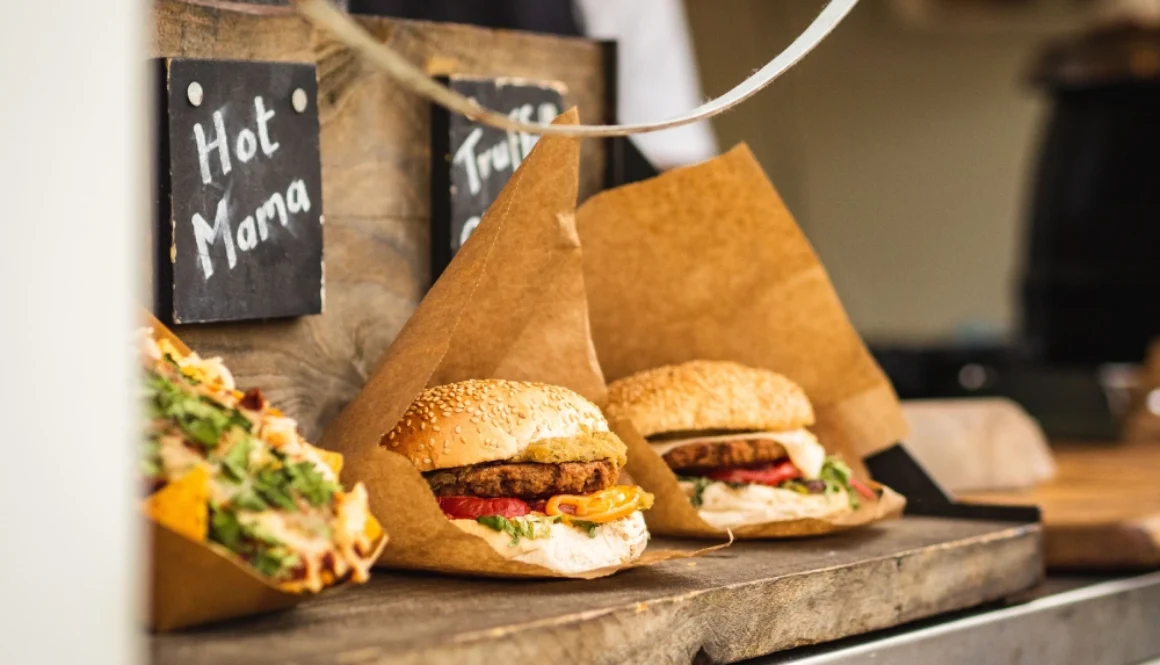
She asked if I wanted to get a drink in the supermarket cafe and have a chat because she could see I was a bit low. So I said yes I could use the company and before I knew it I was spilling my heart out and telling her how jealous I was of her life and that I’d love a van although I would hate to actually live in a van. She laughed and said, ‘Well, you could always travel round the UK with a burger van and make your fortune at festivals.’
She lit a fire under me in about 20 minutes. What she seemed to believe, and what I desperately needed to hear, was that we are allowed to create a future that doesn’t look anything like the future we’d planned or that we’d ever have thought we wanted. But one day it just might seem right.
She honestly changed everything that day. She wrote me her email address and took mine and that night an email came in with a list of festivals to try. She told me to let her know how I go and has messaged me a few times since to see how I’m getting on. She was like my angel looking out for me.
Most people would probably have forgotten about it five minutes later but that idea stayed with me. It took a few months but one afternoon I was supposed to be working and I found myself searching online for food trucks and burger vans. They were way too expensive so I emailed Cookie to ask what she thought.
She told me her and her husband had bought normal vans and converted them on their own and that I could do the same to save money, so I started going round asking local burger vans advice.
It took another year but I didn’t feel ready and so worked part time for a burger van to get experience and then actually got to go to a festival to work. I learned about what licenses you need and qualifications and the kinds of foods people want.
At 40 years old, while everyone else seemed to be climbing corporate ladders or planning retirement funds, I was sitting in my little flat imagining myself serving burgers from a food truck at music festivals.
The more I thought about it, the more excited I became. I imagined travelling to festivals around the country and meeting lots of people and not just looking at four walls.
Cookie told me in the supermarket cafe that we often focus on what we don’t have instead of what we do have and that it can hold us back because we think we’re failures if we haven’t got it all sorted. I don’t have a burger van yet but I do have a savings account called Burger Van Fund. It’s not huge but it’s growing. Every time I transfer money into it, I feel excited and I look at vans every week. I know I’ll get there but I need to work on some fixed timelines.
I haven’t bought the van yet, I haven’t handed in my notice and I haven’t served a single burger yet. But I have something I didn’t have on my fortieth birthday. Hope.
I don’t really care about not having had a proper boyfriend at 40 years old. I’ve got something to work towards now. There are still times when I compare myself to married women and wonder what might have been. But maybe it wasn’t ever going to be for me. Maybe I’ll meet a nice man at a festival one day instead, you never know.
At 40, I thought my life was a closed book. Now I think that book might finally be opening.
By Sarah
If someone had told me ten years ago that I would be single and lose a significant amount of weight in my fifties, I would have laughed.
I had been overweight for most of my adult life. Not too fat in my 20’s but steadily, year by year, stone by stone, I gained weight until I found myself carrying far more on my body than was healthy or comfortable. Like many women, I became skilled at ignoring it. I wore clothes that disguised it, avoided photographs when possible and convinced myself that I was simply getting older.
The truth was that I had stopped looking after myself long ago.
Then, at 55, my life changed.
My husband and I had been married for over thirty years. We had raised children together, built a home together and shared countless memories. Then one night, in front of the TV, without even sitting up, he told me he wanted something different. There was no-one else, he just wanted to travel the world while he was still fit enough to do it. He wanted adventure and freedom and he knew I’d hold him back so he was going to go without me.
Actually I think he wanted to go without me.
I don’t share this to criticise him. We each have our own journey and he’s a good man who loved me while he could. He felt terrible leaving me but something inside him told him he had to do this because he wasn’t getting any younger and if he didn’t do it now … usual story. But there’s no denying that his decision left me totally and completely devastated, not least because I’d never actually lived on my own before.
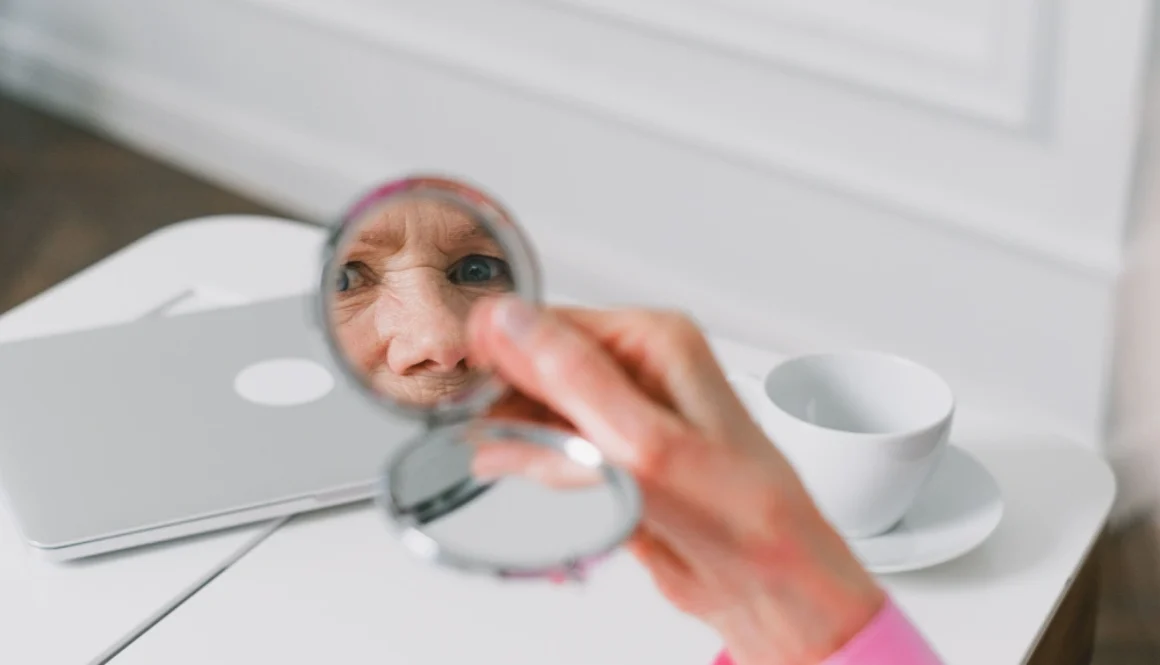
For months I drifted through life in a fog of sadness and uncertainty. I felt rejected, frightened and completely lost. Looking back, I can see that I had spent so many years being someone’s wife, someone’s mother and someone else’s support system that I had forgotten how to be myself. I didn’t know who I was, I hated what I saw in the mirror, I had nobody to talk to and I felt lost and so, so alone.
One morning I caught sight of my reflection in a shop window. What struck me wasn’t my weight. It was the sadness in my face. There was nothing in my eyes. I looked empty and I felt empty. I realised there and then that I had a choice. I could allow this separation to define the rest of my life, or I could start over in a different story.
I didn’t have an inkling of where to start but I knew I had to do something. I felt so, so sorry for the woman in my reflection and I had to save her.
After a great deal of reading and research, I decided to try a thing called intermittent fasting alongside a low-carbohydrate way of eating. It was called a ketogenic diet and everyone seemed to be doing it so I decided it must be a good thing.
The first few weeks were difficult. Actually, I was irritable, in pain and crying most of the time. My eating habits had been with me for decades. Food had often been my comfort, my distraction and sometimes my reward, so it was difficult to walk past the goodies in the supermarket and not throw them into my trolley and lie to myself. Every time I did that (and it was often) I took whatever I’d thrown into the trolley out and thought about the woman in the shop window. She needed me more than I needed that treat.
Gradually things began to shift. I felt less hungry and irritable. My energy became more stable and I started being able to get more done. My brain seemed to clear relatively quickly but my body took a while to catch up.
The weight did not disappear overnight. In fact, there were weeks when the scales went up or barely moved. But month after month, the changes accumulated and I started to see the light in my eyes come back.
I started saying yes to things I would previously have avoided because I was married and didn’t really do much outside the home. I walked a bit more. I joined a walking group and made a couple of friends and started seeing them outside of the walking group. I found myself feeling lighter and brighter and one day actually laughed out loud and that was when I knew I’d overcome the worst. As my weight came off my confidence did get better but this was never really about my weight; it was about those sad, empty eyes in that reflection. I couldn’t live knowing she was inside me and so I made her my focus every day until she smiled – really smiles – back at me.
Another source of inspiration came from someone I had followed years earlier. Back in the Reach4Raw days I used to enjoy watching Cookie and how she smiled at just being alive. Life moved on and somehow I lost touch with that community but then, all these years later I discovered her again on YouTube. (I cannot tell you how pleased I was to see you again, Cookie!)
Seeing her continue to inspire and encourage others despite having been through quite daunting experiences reminded me that personal growth does not have an age limit. Her message resonates with me just as much in my fifties as it did years ago. Perhaps even more so now. When she smiles I see my own smile reflected in her face. Sometimes we need people who quietly demonstrate what is possible and do it in an imperfect manner. For me, she has been one of those people.
Today, I am healthier than I have been in many years, despite a few problems cropping up here and there. I move around more easily. My confidence has returned. My body feels better and my smile is genuine. I’m even in touch with my ex-husband as a friend and am proud of how he did something hard to release himself of a life that wasn’t fulfilling him. In a way he set me free too. I look forward to the future now, instead of fearing it.
At 55, I thought my best years might be behind me. I’m 6 1 now and although I don’t know exactly what the next chapter will bring, for the first time in a very long time, I’m excited to find out. And to be part of a community as it grows is going to be rather special. It feels like a wonderful place to be.